
Looking to elevate your manufacturing processes and achieve greater efficiency, quality, and innovation? Our solutions are designed to help you streamline operations, reduce costs, and boost productivity.
Rope systems are commonly used in various industries, from construction and mining to shipping and entertainment. These ropes are integral to many operations, often subjected to extreme conditions, wear, and tear. To maintain optimal performance, prevent damage, and extend the lifespan of ropes, it’s essential to utilize proper maintenance techniques. One such technique is rope lubrication, a service that plays a critical role in enhancing the longevity and efficiency of rope systems.
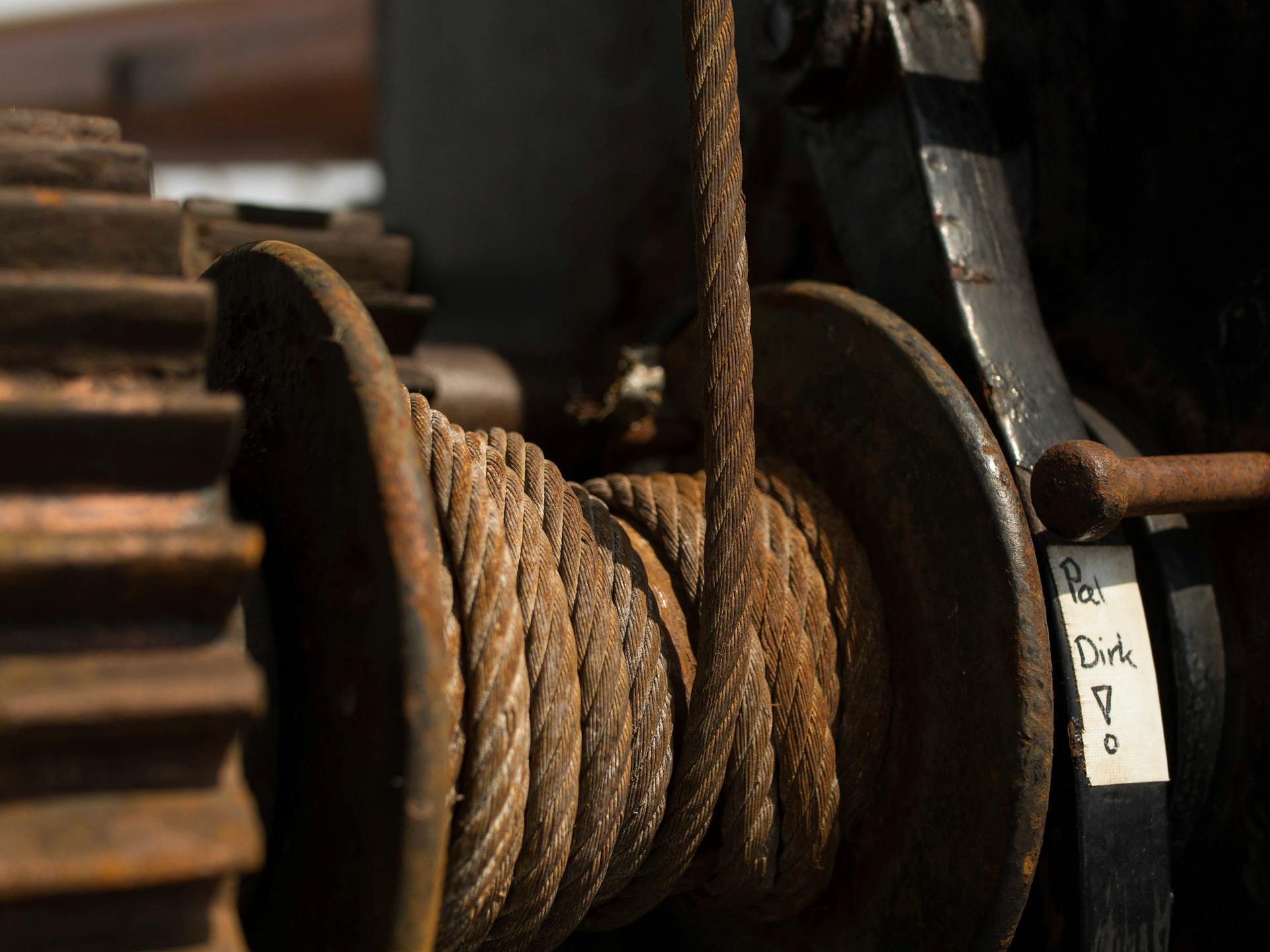
Rope lubrication refers to the application of lubricants to ropes to reduce friction between the fibers and the components of the system. The lubricant forms a protective layer, which minimizes wear and tear, prevents rust and corrosion, and allows the rope to maintain its strength and flexibility over time. This process is crucial for ropes that undergo high stress or are exposed to harsh environmental conditions such as heat, moisture, and abrasive elements.
The lubrication service can be applied to various types of ropes, including steel wire ropes, synthetic ropes, and natural fiber ropes. Depending on the type of rope and the environment it’s used in, the lubricant’s composition and application method may vary.
Proper rope lubrication offers numerous benefits, including:
Reduced Friction: Lubricants help reduce the friction between the strands and fibers of the rope, which can cause abrasion and fatigue. This minimizes the wear and tear on the rope, allowing it to retain its strength and durability for a longer period.
Corrosion Protection: In many industries, ropes are exposed to moisture, chemicals, and other corrosive elements. Lubricants form a barrier that prevents rust and corrosion from damaging the rope’s internal structure.
Increased Efficiency: Lubricated ropes are easier to handle, move smoothly, and operate more efficiently. This reduces the amount of energy required to use the rope and improves the overall performance of the equipment.
Extended Lifespan: Regular lubrication significantly extends the life of the rope, reducing the frequency of replacements and associated costs. This is particularly important in industries where ropes are used frequently and exposed to demanding conditions.
Enhanced Flexibility: Lubrication helps maintain the rope’s flexibility and prevents it from becoming stiff and brittle. This is especially important in lifting and hoisting applications, where flexibility is essential for smooth operation.
Rope lubrication works by penetrating the core and surface of the rope fibers, forming a thin protective layer. This layer acts as a barrier between the strands and the surrounding environment, reducing friction and protecting the rope from moisture and corrosive elements.
In steel wire ropes, the lubricant seeps into the gaps between the wires, reducing the risk of rust formation and promoting smoother movement. For synthetic ropes, the lubricant helps to maintain the fibers’ strength, flexibility, and resistance to UV damage.
There are various types of lubricants available, each designed for specific applications. Some lubricants are designed for high-temperature environments, while others are formulated to resist water or chemicals. The choice of lubricant depends on the type of rope, the operating environment, and the specific needs of the equipment.
Oil-Based Lubricants: These lubricants are the most common and effective for steel wire ropes. They provide excellent penetration, reduce friction, and protect against corrosion. They are typically used in environments with high temperatures or heavy loads.
Grease-Based Lubricants: Grease lubricants are thicker and more viscous, providing long-lasting protection. They are often used in outdoor or marine environments where ropes are exposed to water, salt, and extreme weather conditions.
Water-Based Lubricants: These lubricants are used for lighter-duty applications. They offer reduced friction and are ideal for ropes that are used in environments where water resistance is required but without the heavy-duty protection needed for steel ropes.
Dry Lubricants: Dry lubricants are used in applications where the lubricant must not attract dirt or debris. These lubricants create a thin, dry film that reduces friction and wear without leaving a greasy residue.
Synthetic Lubricants: Designed for modern synthetic ropes, these lubricants provide enhanced protection against UV rays, chemicals, and abrasion. They are specifically formulated to maintain the flexibility and strength of synthetic fibers over time.
Rope lubrication is a straightforward process, but it requires careful attention to detail to ensure that the lubricant is applied evenly and effectively. The process typically involves the following steps:
Inspection of the Rope: Before lubrication, the rope is inspected for any signs of damage, wear, or corrosion. This helps determine the appropriate lubricant and application method.
Cleaning the Rope: Any dirt, debris, or old lubricant is removed from the rope’s surface. This ensures that the new lubricant can adhere properly and effectively protect the rope.
Application of Lubricant: The lubricant is applied to the rope using various methods such as brushing, spraying, or dipping, depending on the type of rope and lubricant. The lubricant is applied evenly to ensure complete coverage.
Penetration and Absorption: The lubricant is allowed to penetrate the rope’s fibers and the core. This ensures that the internal components are protected and that the rope remains flexible.
Drying and Curing: After the lubricant is applied, it is left to dry or cure, depending on the type of lubricant used. This ensures that the lubricant forms a solid protective layer on the rope.
Final Inspection: Once the lubrication is complete, the rope is inspected again to ensure that the application is even and that no areas have been missed.
Rope lubrication should be applied regularly, depending on the rope’s usage and the environment in which it operates. In high-use applications, ropes should be lubricated more frequently, while lighter-duty ropes may require less frequent lubrication.
Some factors that influence the frequency of lubrication include:
Rope Material: Steel ropes generally require more frequent lubrication than synthetic ropes due to their susceptibility to rust and wear.
Environment: Ropes used in harsh environments, such as those exposed to saltwater, chemicals, or extreme temperatures, may need more frequent lubrication to protect against corrosion and damage.
Usage: Ropes that are used in heavy-duty applications, such as lifting, hoisting, or towing, are more prone to wear and should be lubricated regularly to ensure smooth operation.
While some individuals and companies choose to lubricate ropes themselves, professional rope lubrication services offer several advantages:
Expertise and Knowledge: Professionals have the experience and knowledge to select the right lubricant for the specific type of rope and operating conditions, ensuring optimal protection.
High-Quality Lubricants: Professional services use high-quality lubricants that are formulated for specific applications, providing better protection and longer-lasting results.
Efficient Application: Professionals have the tools and equipment needed to apply the lubricant evenly and efficiently, ensuring that every part of the rope is covered.
Preventive Maintenance: Regular lubrication by professionals helps prevent premature wear and tear, reducing the need for costly repairs and replacements.
Time-Saving: Hiring a professional service saves time and ensures that the job is done correctly, allowing companies to focus on their core operations.