
Looking to elevate your manufacturing processes and achieve greater efficiency, quality, and innovation? Our solutions are designed to help you streamline operations, reduce costs, and boost productivity.
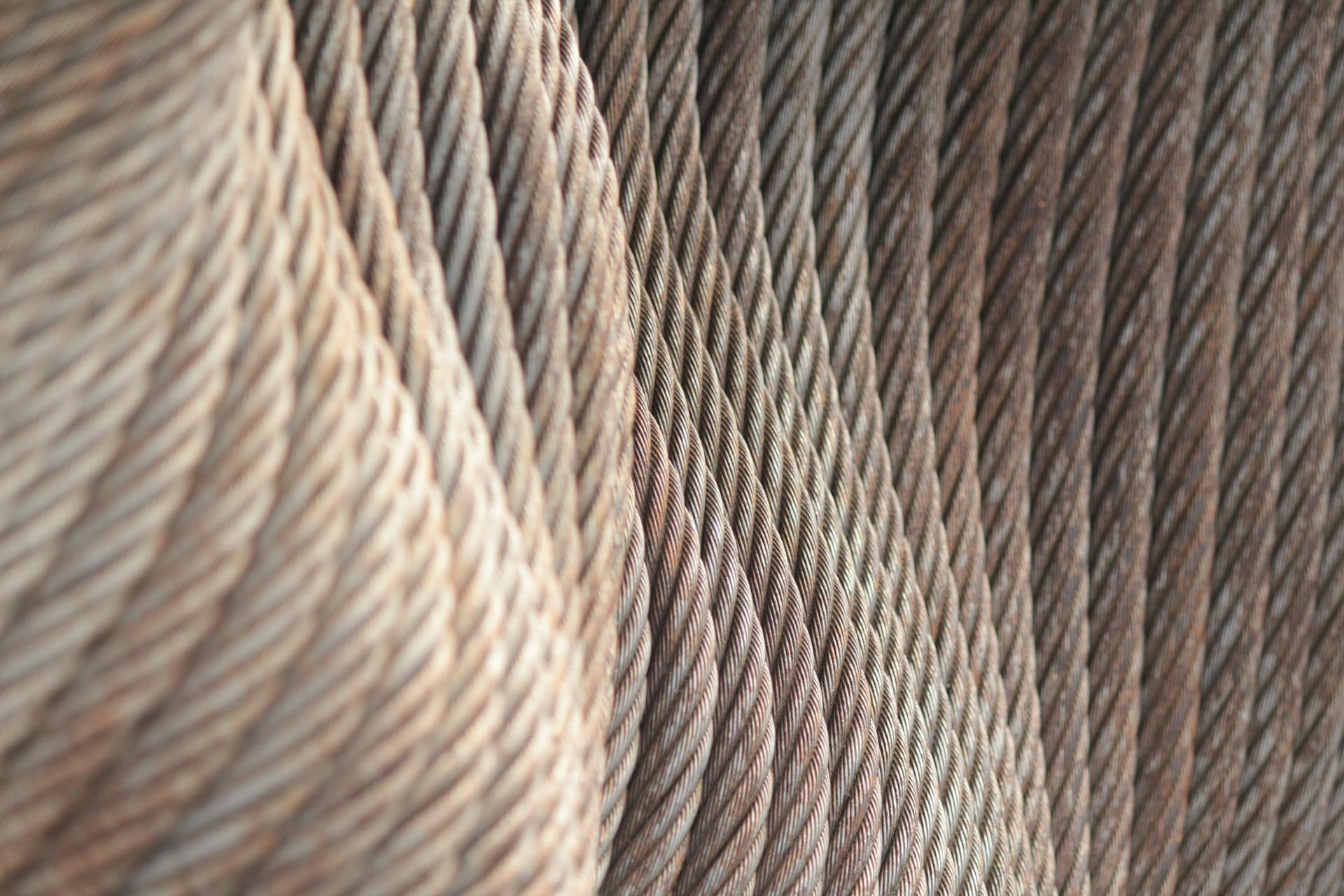
Rope life extension is the process of taking measures to enhance the durability and longevity of ropes used in different applications. It involves a series of maintenance techniques, repairs, and treatments designed to slow down the natural degradation of ropes and maximize their functional lifespan. By identifying and addressing the causes of wear early, this service helps to prevent premature rope failure and minimizes the risks associated with rope use.
This service is crucial for ropes that undergo heavy loads, high-stress conditions, or exposure to harsh environmental factors such as saltwater, chemicals, UV rays, and extreme temperatures.
Ropes play an essential role in a variety of industries, from construction and shipping to entertainment and mining. Over time, ropes experience wear and tear due to heavy use, environmental conditions, and other external factors. Rope life extension is a service aimed at prolonging the lifespan of ropes and improving their performance. This service not only ensures safety and efficiency but also reduces the frequency of rope replacements, which can be costly.
Ropes are critical to the functioning of many machines and systems, particularly in lifting, hoisting, and towing applications. When ropes degrade too quickly, they can pose a serious safety risk, leading to accidents, injuries, and damage to equipment. Rope life extension addresses these risks by improving rope performance and preventing failure.
Some of the main reasons rope life extension is important include:
Safety: Extended rope life reduces the risk of sudden rope failure, which can cause accidents, injuries, or fatalities, especially in high-stress applications like construction and offshore industries.
Cost Savings: Replacing ropes frequently can be expensive, especially in industries that rely heavily on ropes. By extending the life of existing ropes, companies can save money on replacements and reduce downtime.
Environmental Impact: Frequent disposal of ropes and the production of new ropes can hurt the environment. Extending the life of ropes reduces the need for constant replacements and helps minimize waste.
Efficiency: Ropes that are properly maintained perform better, ensuring smoother operations and reducing the amount of time and energy needed for various tasks.
Several factors contribute to the degradation of ropes over time. Understanding these factors is key to implementing effective rope life extension practices. Some of the most common causes of rope wear include:
Friction: Friction between the rope fibers and other surfaces, such as pulleys, drums, or other ropes, is one of the primary causes of wear. Constant rubbing can cause abrasion, leading to the breakdown of the fibers.
Environmental Conditions: Exposure to harsh weather conditions, such as heat, cold, UV rays, moisture, and chemicals, can weaken the rope’s fibers and reduce its strength.
Load and Stress: Ropes that are frequently subjected to heavy loads or high-stress conditions will naturally degrade faster. Overloading or improper use of ropes accelerates wear and can lead to premature failure.
Chemical Exposure: Some ropes, especially synthetic ropes, can be damaged by exposure to chemicals, oils, or solvents. These substances can break down the fibers, making them brittle and less flexible.
Corrosion: For steel ropes, exposure to moisture, salt, and other corrosive elements can lead to rust and corrosion. Corrosion weakens the rope’s structure, making it more prone to failure.
Rope life extension typically involves a combination of inspection, repair, and maintenance practices designed to slow down the degradation process. The specific treatments and services provided will depend on the type of rope and its operating conditions. Below are some common techniques used to extend rope life:
Inspection and Assessment
The first step in extending the life of a rope is to perform a thorough inspection. Regular inspections help identify signs of wear, damage, or weakness, allowing for early intervention before problems become more severe. During an inspection, the rope is examined for:
Fraying or broken fibers
Excessive abrasion or wear
Signs of corrosion or rust
Loss of flexibility
Wear on the rope’s core (for multi-strand ropes)
Chemical damage
Rope inspectors typically use specialized tools such as visual inspection devices, ultrasonic testing, and magnetic particle testing to assess the rope’s condition.
Rope Lubrication
Lubrication is one of the most effective ways to extend the life of a rope. Applying the right lubricant reduces friction, preventing excessive wear and tear. Lubrication also helps protect the rope from corrosion and environmental damage by providing a barrier against moisture, UV rays, and chemicals. It can be applied to both synthetic and steel ropes to improve performance and longevity.
Rope Cleaning
Cleaning ropes regularly helps maintain their strength and flexibility. Dirt, debris, and contaminants can cause friction and wear, damaging the rope over time. Cleaning removes these elements and ensures that the rope can move smoothly over pulleys, drums, and other equipment. The cleaning process may involve washing the rope with mild detergents, rinsing it thoroughly, and allowing it to dry before re-lubricating it.
Rope Splicing and Repairs
When ropes become damaged, professional splicing and repairs can help restore their functionality and extend their lifespan. Splicing involves rejoining frayed or broken sections of the rope, typically by weaving the fibers back together. For steel ropes, repairs may involve replacing damaged wires or sections of the rope.
Minor repairs can be done on-site, while more extensive repairs may require the rope to be sent to a specialized facility. Repairing damaged ropes helps avoid the cost and downtime associated with complete rope replacement.
Protective Coatings
Some ropes, particularly steel ropes, can benefit from protective coatings that prevent corrosion and protect against environmental factors. Coatings such as galvanizing, powder coating, or synthetic wraps can be applied to the rope’s surface, providing an extra layer of defense against rust, saltwater, and other harmful elements.
Tension Monitoring and Load Control
To prevent overloading and ensure proper usage, tension monitoring and load control systems can be installed on equipment using ropes. These systems help monitor the load placed on the rope, ensuring it remains within safe operating limits. Proper tension also helps prevent uneven wear, which can cause premature degradation.
Rope life extension services offer numerous advantages for companies that rely on ropes in their operations. Some of the key benefits include:
Cost Efficiency: Extending the life of ropes reduces the need for frequent replacements, which can be costly. It also reduces the amount of downtime needed for rope replacements, improving overall operational efficiency.
Improved Safety: Properly maintained ropes are less likely to fail unexpectedly, reducing the risk of accidents and injuries in high-risk environments.
Increased Productivity: With extended rope life, companies can rely on their ropes to perform consistently and efficiently, ensuring smooth operations and reducing the likelihood of delays.
Environmental Benefits: By extending the life of ropes and reducing waste, companies can lower their environmental footprint and contribute to sustainability efforts.
Enhanced Rope Performance: Regular maintenance, such as lubrication and cleaning, helps ropes maintain their flexibility and strength, ensuring that they continue to operate at peak performance.