
Looking to elevate your manufacturing processes and achieve greater efficiency, quality, and innovation? Our solutions are designed to help you streamline operations, reduce costs, and boost productivity.
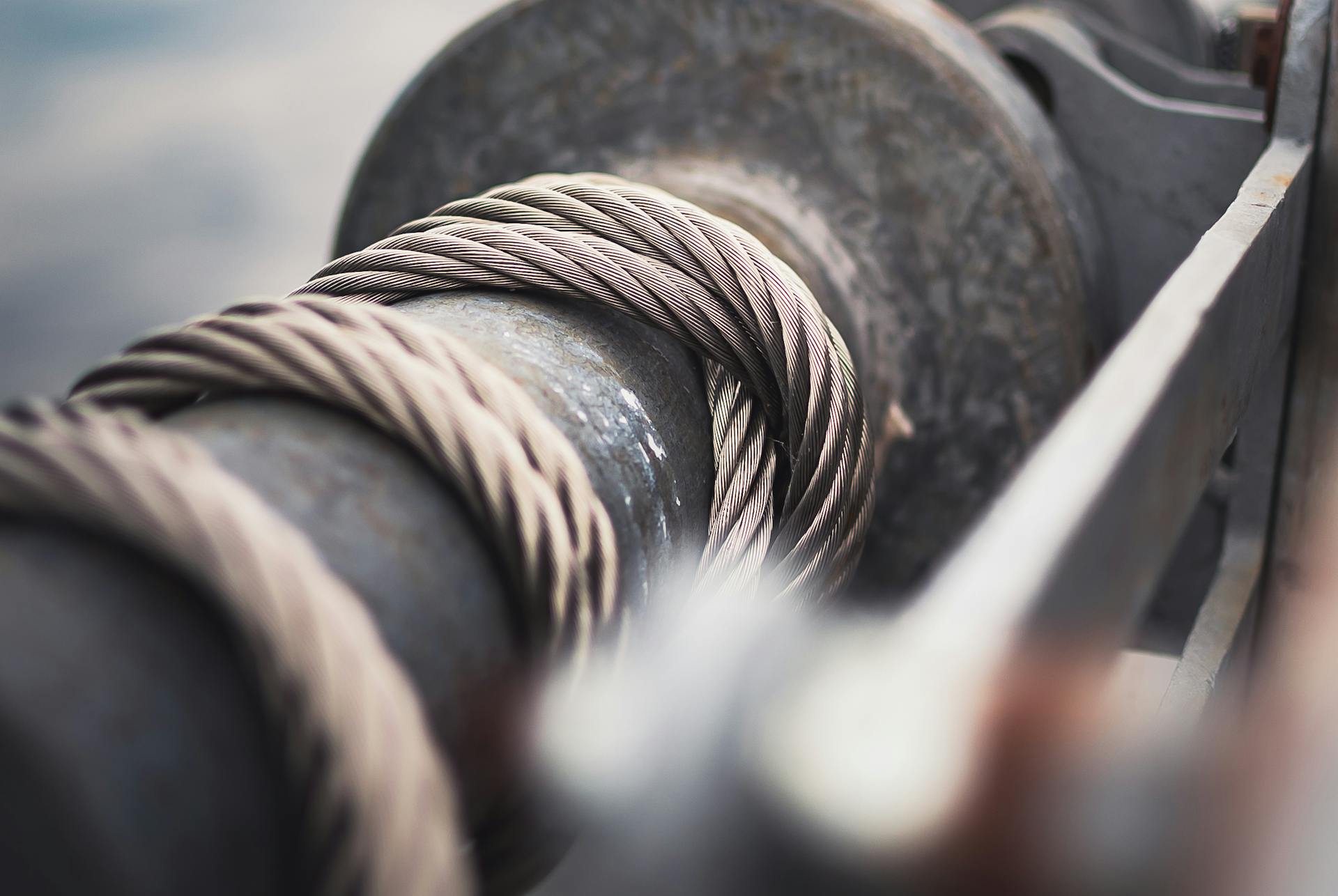
Rope corrosion control is an essential service that ensures the durability and longevity of ropes used in a wide variety of industries. Ropes are often exposed to harsh environmental conditions, including moisture, saltwater, chemicals, and extreme temperatures, making them prone to corrosion. When ropes corrode, they lose their strength and reliability, posing a significant safety risk. Rope corrosion control services aim to protect these vital assets by applying a range of methods and treatments to prevent degradation and maintain rope integrity.
Corrosion can severely weaken ropes, leading to failures during critical operations. Whether ropes are used for lifting, securing cargo, or in construction and maritime applications, a failure can lead to accidents, injury, or property damage. Rope corrosion control directly addresses these risks by extending the lifespan of ropes and ensuring they perform reliably under pressure.
Replacing corroded ropes can be a costly endeavor. Frequent replacements disrupt operations and incur significant expenses. By investing in corrosion control, companies can reduce the need for premature replacements and the associated downtime, ultimately saving money in the long run.
In many industries, such as offshore oil rigs or maritime shipping, using compromised ropes is not only unsafe but may also be illegal. Regulatory bodies mandate specific safety standards, including the maintenance of equipment like ropes. By utilizing corrosion control services, businesses can comply with these regulations, avoiding fines and legal complications.
One of the most common methods of corrosion control is the application of protective coatings. These coatings create a barrier between the rope and the elements, preventing moisture, salts, and chemicals from coming into direct contact with the rope fibers or metal components. Lubricants can also be applied to ropes, reducing friction and wear, which further limits the potential for corrosion.
For steel or metal ropes, galvanization is an effective corrosion prevention method. This process involves coating the rope’s metal strands with a layer of zinc, which acts as a sacrificial metal. When exposed to corrosive elements, the zinc layer corrodes instead of the steel, preserving the rope’s structural integrity.
Encapsulating the rope in a protective layer is another strategy to prevent corrosion. This method is particularly effective in ropes used in environments that are consistently exposed to water or chemicals. Encapsulation helps to shield the rope from direct exposure to harmful agents, reducing the chances of corrosion.
Chemical inhibitors are substances that can be applied to ropes to prevent the chemical reactions that cause corrosion. These inhibitors work by disrupting the processes that lead to rust and decay. They are often used in conjunction with other methods, such as coatings, to offer enhanced protection.
Steel wire ropes are commonly used in heavy-duty applications like construction, mining, and maritime operations. They are particularly susceptible to corrosion due to their metallic composition and the environments they are exposed to. Corrosion control methods for steel wire ropes are crucial to maintaining their strength and functionality.
While synthetic ropes, such as those made from nylon or polyester, are resistant to corrosion, they can still be affected by ultraviolet (UV) degradation, chemical exposure, and environmental factors. Corrosion control services for synthetic ropes focus on enhancing their resistance to UV rays and chemical wear.
Mooring ropes, used in the maritime industry, face constant exposure to saltwater, which accelerates the corrosion process. These ropes require regular maintenance and corrosion protection to ensure that they remain strong and reliable, particularly in high-stress environments like docking stations or offshore oil rigs.
Ropes that are exposed to harsh weather conditions or corrosive environments, such as saltwater, acid rain, or chemicals, are at higher risk of corrosion. The constant exposure to moisture, wind, and fluctuating temperatures can weaken the rope fibers and metal components over time, making them more susceptible to failure.
Failure to regularly inspect and maintain ropes can lead to corrosion. Without periodic checks for damage or degradation, the early signs of corrosion can go unnoticed, causing the rope to weaken gradually until a failure occurs.
Ropes that are not stored properly are more likely to experience corrosion. Ropes exposed to excessive moisture or stored in a damp environment can quickly begin to rust or degrade. Proper storage practices, such as keeping ropes in dry, ventilated spaces, can help prevent corrosion from developing.
Ropes used in high-stress situations, such as lifting, pulling, or securing heavy loads, are more prone to wear and tear. The added pressure on the fibers and metal strands can cause micro-damages, which, when coupled with exposure to corrosive elements, can accelerate the corrosion process.
The primary benefit of using rope corrosion control services is the extension of the rope’s lifespan. By regularly treating ropes with corrosion inhibitors and protective coatings, their structural integrity is preserved, and they can be used for longer periods before needing replacement.
Corrosion can cause ropes to lose their strength and flexibility, which directly impacts their performance. By preventing corrosion, rope corrosion control services ensure that ropes maintain their optimal strength and flexibility, allowing them to perform their intended functions more effectively.
Rope failures often result in operational downtime, as companies must replace damaged ropes and potentially halt operations to ensure safety. With regular corrosion control, the likelihood of rope failure is significantly reduced, leading to fewer disruptions in daily operations.
Corrosion inhibitors and protective coatings can help prevent environmental damage caused by failed ropes. For example, a broken rope in the ocean can cause pollution, especially if it contains synthetic materials or chemicals. Rope corrosion control helps to reduce the risk of environmental contamination.
The maritime industry relies heavily on ropes for a variety of tasks, including mooring ships, towing, and securing cargo. With constant exposure to saltwater and harsh environmental conditions, ropes in this industry are particularly prone to corrosion. Regular corrosion control services are essential to ensuring the safety and efficiency of maritime operations.
In the oil and gas industry, ropes are used in a variety of applications, including offshore drilling rigs, oil platform mooring, and cargo handling. These ropes are exposed to corrosive substances such as saltwater, chemicals, and oil, making corrosion control services critical to maintaining their strength and safety.
The construction industry also relies on ropes for lifting and securing heavy loads. Whether used in cranes, hoists, or rigging systems, ropes in construction must be regularly inspected and treated to prevent corrosion, which could compromise their load-bearing capacity.
Mining operations require strong and reliable ropes for various tasks, including hoisting materials and supporting equipment. Given the challenging environments in which mining takes place, such as underground shafts and open pits, ropes are vulnerable to corrosion. Corrosion control services are vital for ensuring the reliability of ropes in these high-risk environments.